


VITTI-PURE Regenerative Cell Treatment in Tarpon Springs, FL
VITTI-PURE is a human cellular and tissue-based product that may be discussed within certain regenerative care plans. Because regenerative products require careful consideration of intended use, available evidence, risks, and regulatory status, treatment begins with an individualized medical consultation.

What Is VITTI-PURE?
VITTI-PURE is manufactured from donated human umbilical-cord tissue and is categorized by its manufacturer as a human cellular and tissue-based product, or HCT/P. It is not the same as platelet-rich plasma, which is prepared from a patient's own blood.
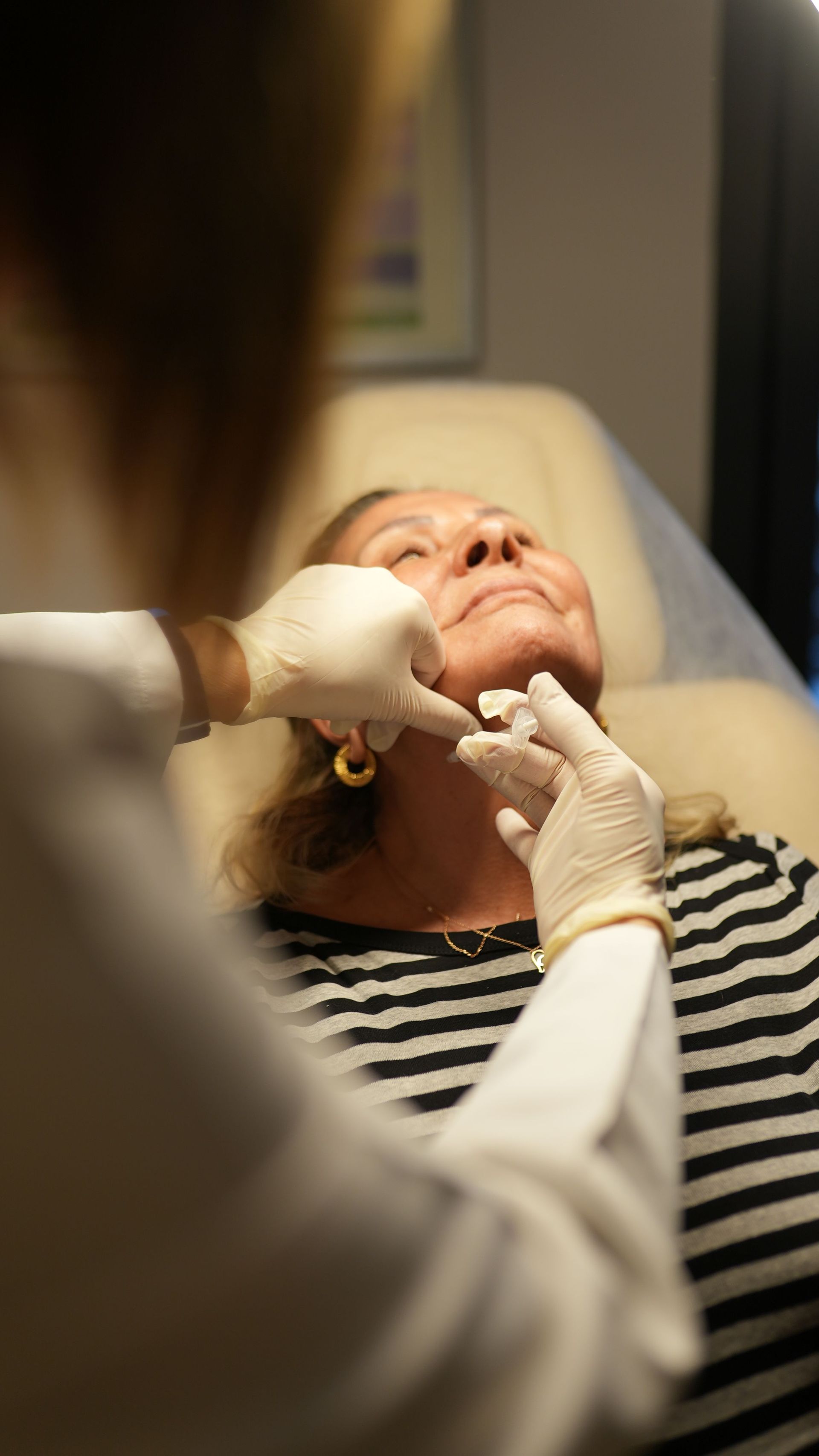

Candidacy Comes Before Treatment
Regenerative care should begin with a discussion of why a treatment is being considered, what evidence supports that use, what alternatives are available, and what risks or limitations may apply. Your provider can review these considerations in relation to your individual goals.
Ask Questions Before Moving Forward
Patients should understand that HCT/P products have a distinct regulatory framework and should not be described as FDA-approved drugs or biologics unless an applicable approval exists. Your consultation is an opportunity to discuss the product, intended use, evidence, and realistic expectations.

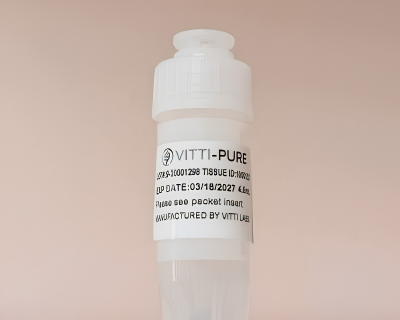
Pairing Vitti Pure With Your Broader Optimization Goals
Frequently Asked Questions About Vitti Pure Regenerative Cell Treatment
What is VITTI-PURE?
It is a human cellular and tissue-based product manufactured from donated umbilical-cord tissue.
Is VITTI-PURE the same as PRP?
No. PRP is prepared from your own blood, while VITTI-PURE is derived from donated human tissue.
Is VITTI-PURE FDA-approved?
VITTI-PURE manufacturer materials state that the product is not FDA-approved. Your provider should explain its regulatory status and intended use before treatment.
What conditions does VITTI-PURE treat?
Appropriate use should be discussed directly with a qualified medical provider. This page does not claim that VITTI-PURE diagnoses, treats, cures, or prevents a specific disease.
What should I ask during my consultation?
Ask about the proposed use, supporting evidence, alternatives, potential risks, regulatory status, expected outcomes, and follow-up.
REVIEWS